
In this article
Female founders in sustainability are reshaping how the UK produces, consumes, and thinks about waste. From food-sharing apps that have saved over 100 million meals to reusable period pants stocked in supermarkets, these women are proving that businesses built on environmental values can be profitable, scalable, and world-changing. With the UK green economy now worth over £200 billion, sustainability is not just a movement – it is one of the biggest career opportunities of this generation.
Key Takeaways
- The UK green economy is worth over £200 billion and employs 500,000+ people
- 24 real female founders featured – from renewable energy to circular fashion
- Green jobs are expected to grow by 480,000 by 2030 (Green Jobs Taskforce)
- Circular economy, sustainable food, and clean energy are the fastest-growing areas
- Many founders started from a simple observation about waste in everyday life
- Young people can explore green business ideas using free AI tools on We Can Be
Why sustainability matters for young people
Climate change, plastic pollution, food waste, fast fashion – these are not abstract problems for young people. They are the defining challenges of their generation. But here is the good news: solving them creates incredible business opportunities. Every product that replaces plastic, every app that reduces waste, every service that extends the life of clothing is also a viable, fundable, scalable business.
The founders featured in this article did not wait for permission. Tessa Clarke built Olio because she could not bear to throw away leftover food when moving house. Laura Harnett created Seep after discovering that kitchen sponges shed harmful microplastics. Ruby Raut designed WUKA because her mother in Nepal had nothing but sari rags. Each one spotted a real-world problem and built a solution.
The UK green economy – the numbers
£200bn+
Value of the UK green economy (Green Finance Institute)
500,000+
People employed in UK green industries
480,000
Additional green jobs expected by 2030 (Green Jobs Taskforce)
68%
Of young people say climate action influences their career choices
The UK has committed to reaching net zero by 2050, and the transition is creating entirely new industries. Renewable energy, sustainable fashion, green construction, electric vehicles, and circular economy services are all growing rapidly. The Green Finance Institute estimates that trillions of pounds of investment are needed – and that means jobs, businesses, and opportunities for anyone willing to think differently about how we live.
Benefits of building a sustainable business
Purpose-driven work
Sustainable businesses solve real environmental problems. Whether it is reducing food waste, replacing single-use plastic, or making fashion circular, founders in this space know their work makes a tangible difference to the planet and to people's lives.
Growing demand
Consumer demand for sustainable products is rising year on year. Research by Deloitte shows that over a third of UK consumers now actively choose brands based on environmental credentials. For young founders, this means a ready and growing market.
Innovation at the core
Sustainability forces creative thinking. How do you make cleaning products without plastic? How do you build a profitable food-sharing platform? The constraints of sustainability drive some of the most innovative and original business models in the UK today.
Future-proof career skills
Green skills are in demand across every sector. Whether young people go on to start a business or enter employment, understanding sustainability, circular design, and environmental impact gives them a competitive advantage in the job market for decades to come.
Challenges young people face in sustainability
Greenwashing makes it harder for genuine eco businesses to stand out. Young people need to understand what real sustainability looks like – and these founders show exactly that, with B Corp certifications, transparent supply chains, and measurable environmental impact.
The complexity gap
Sustainability can feel overwhelming. Climate science, supply chains, carbon footprints, lifecycle analysis – the language alone can be off-putting. The founders featured here prove you do not need a PhD to make a difference. Tessa Clarke started Olio by sharing food with her neighbours on WhatsApp. Charlotte Liebling began Loved Before by rescuing teddies from charity shop bins.
The funding challenge
Green businesses sometimes face scepticism from investors who question whether sustainability and profit can coexist. Every founder in this article has proven they can. Olio has raised over £50 million. Good Energy powered 250,000 homes. WUKA won a Queen's Award. The business case for sustainability is now well established.
The knowledge gap
Many young people care deeply about the environment but do not know how to turn that passion into a career or business. Schools rarely connect environmental awareness with entrepreneurship. That is where platforms like We Can Be come in – helping young people see that the skills they learn in enterprise education are the same skills they need to build green businesses.
Meet the female founders in sustainability
These 24 women are building real businesses that tackle real environmental problems – from saving 100 million meals from waste to creating the UK's first 100% renewable energy supplier. Tap each card to discover their story, superpower, and key takeaway.
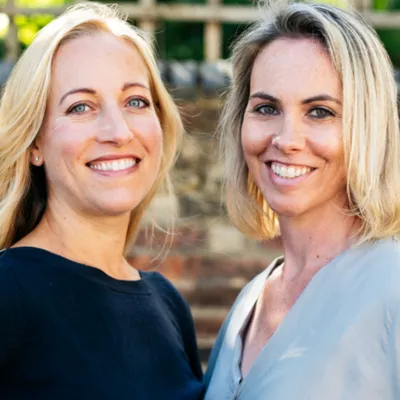
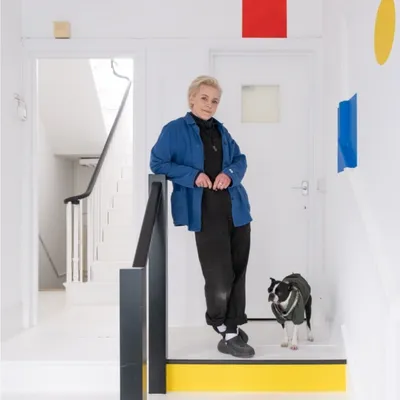
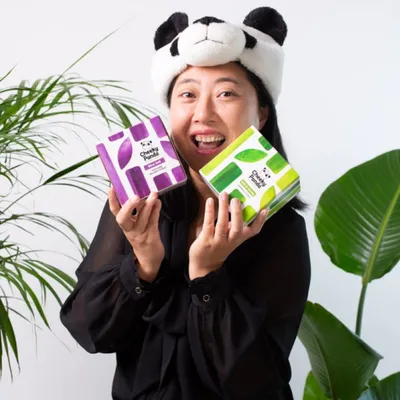
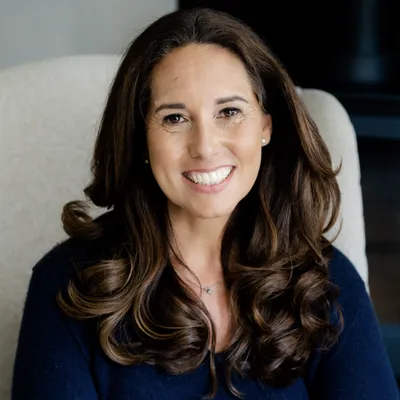
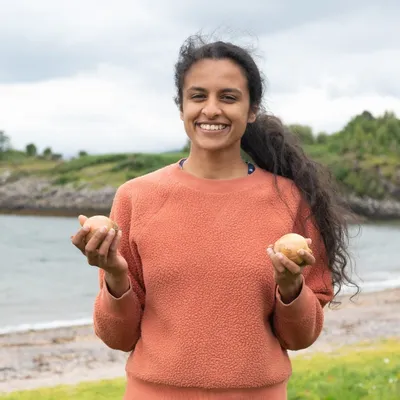
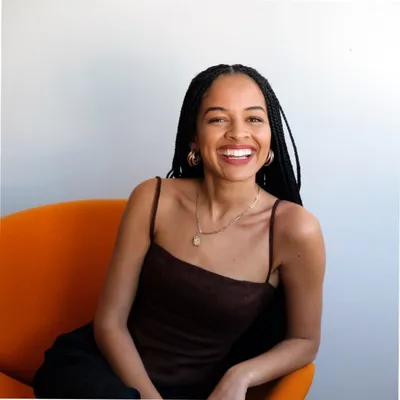
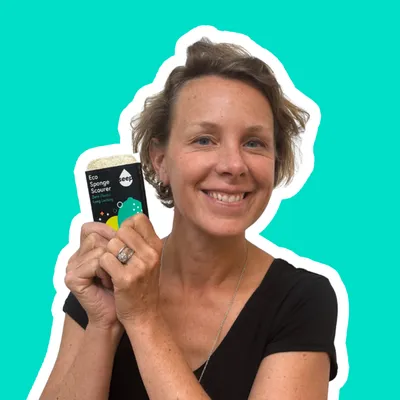
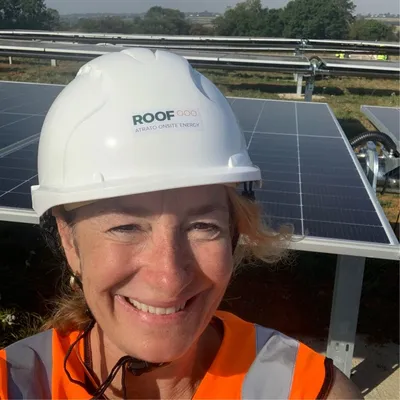
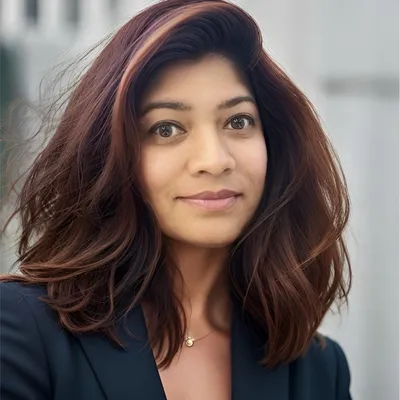
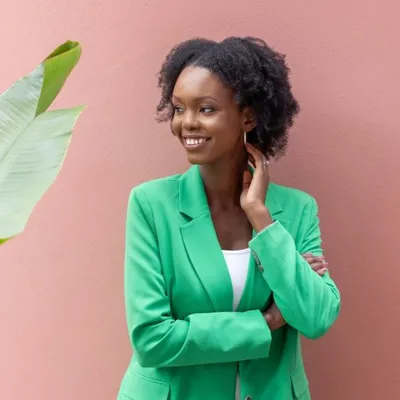
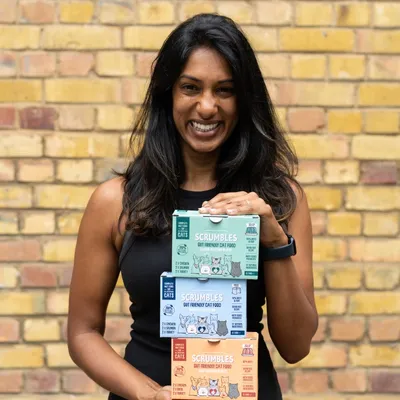
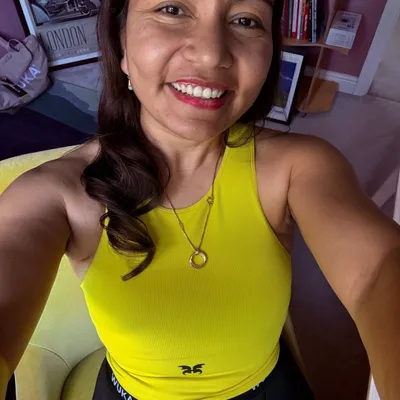
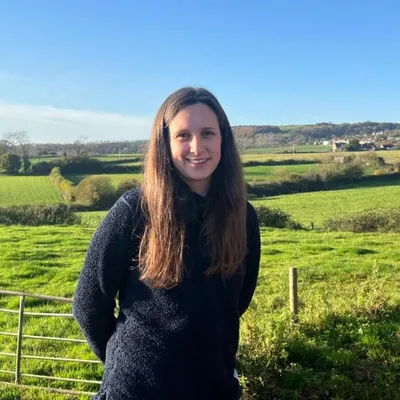
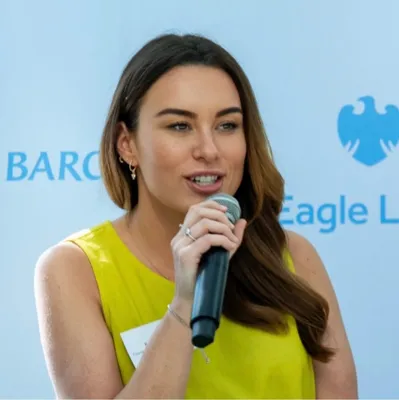
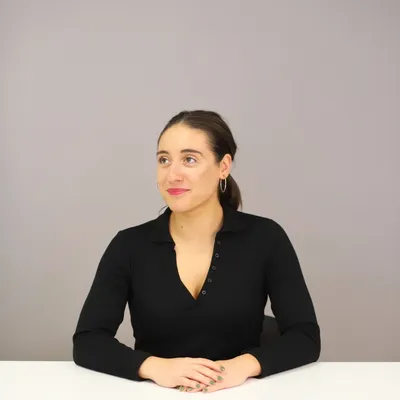
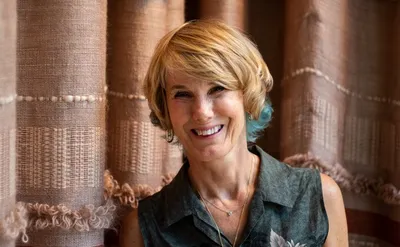
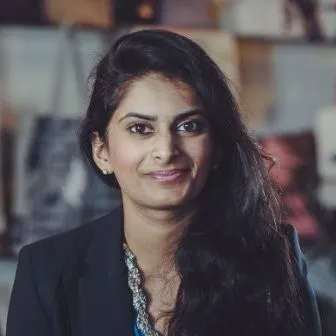
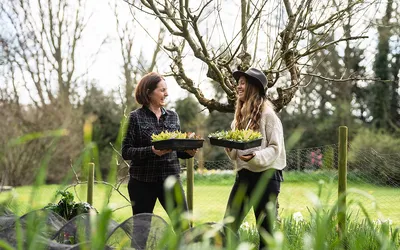
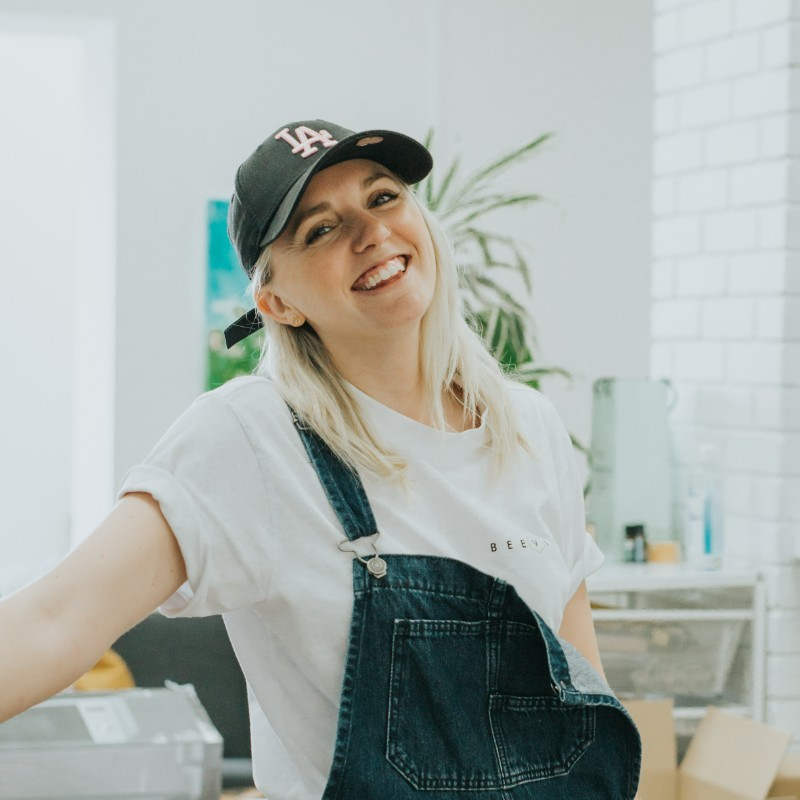
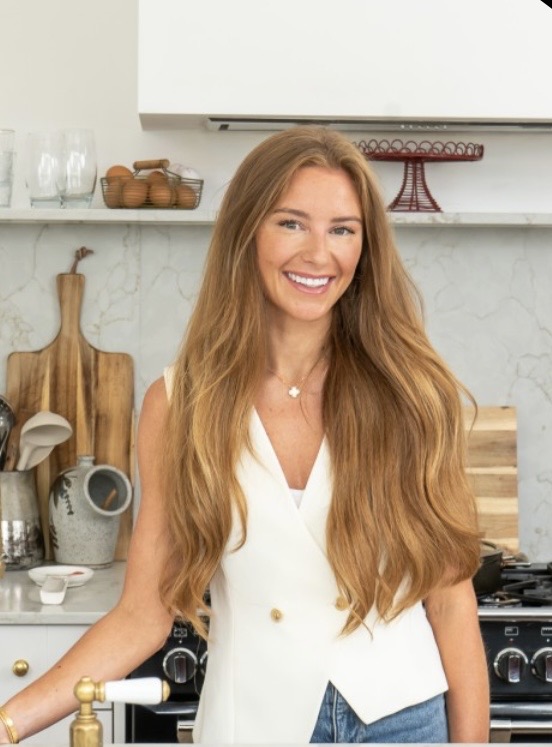
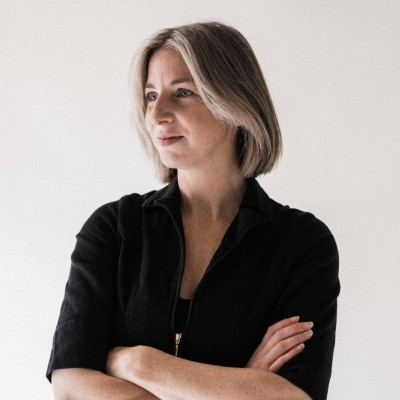
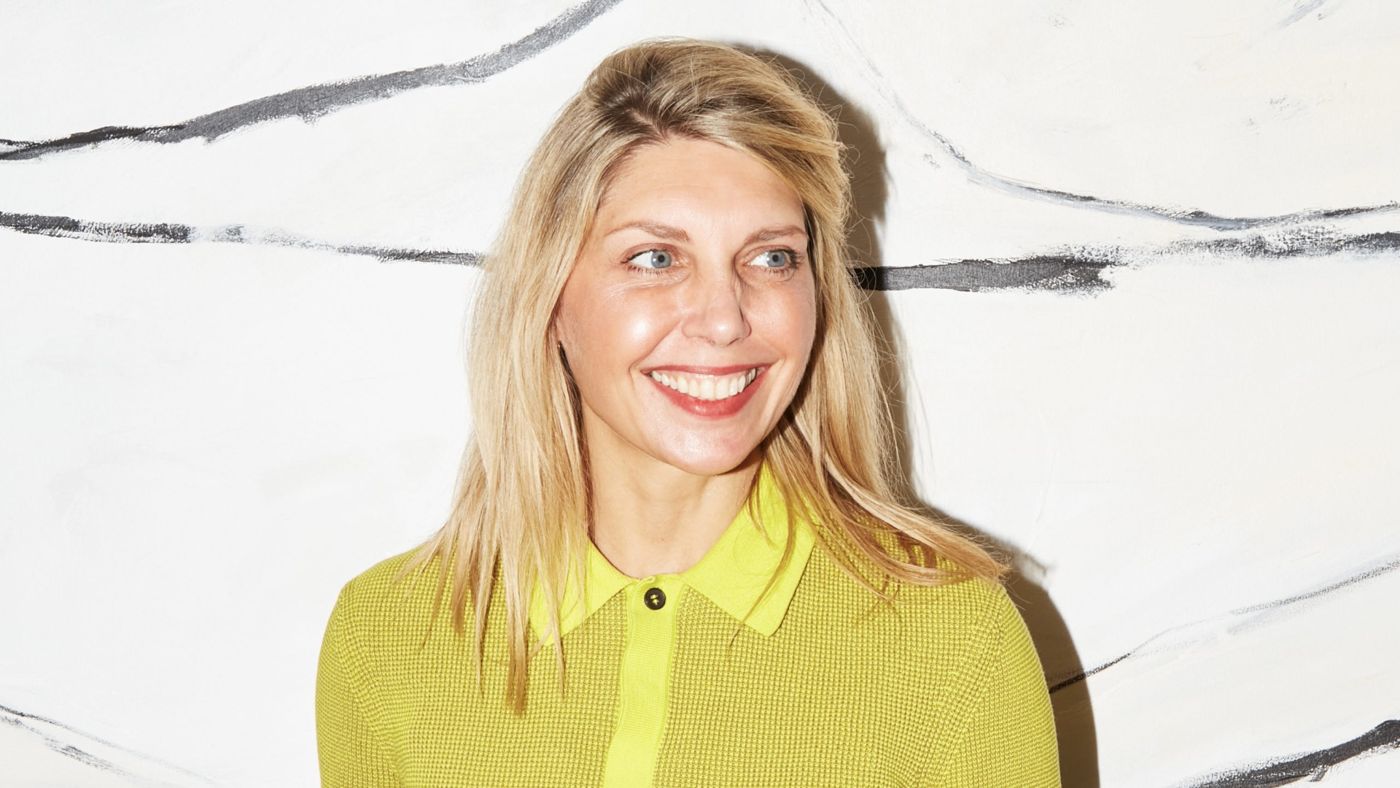
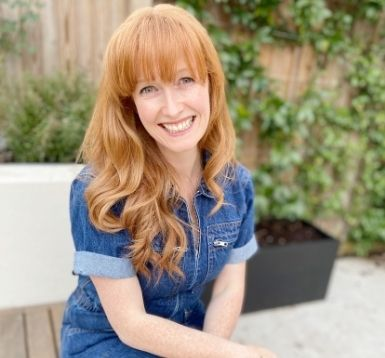
These are just 24 of 250+ female founder role models in our directory, covering 11 sectors from tech and finance to food, fashion, and community.
How to get started in sustainable business
Whether you are 9 or 18, there are practical steps you can take right now to explore sustainability as a career or business path.
Generate green business ideas
Use the AI Idea Machine to brainstorm sustainability-focused business ideas tailored to your age group and interests.
Map your passion to profit
The Passion to Profit Mapper helps you turn what you care about – the environment, animals, fashion – into a real business concept.
Build a business model
Use the Business Model Canvas Builder to map out how your sustainable business would work – who it helps, how it makes money, and what makes it different.
Explore our courses
Our structured courses for ages 9–18 teach business skills step by step, from brainstorming ideas to building a full business plan.
Helpful resources from We Can Be
Our Skills & Resources directory includes free tools and platforms to help young people explore green business and sustainability:
STEM Learning
Free STEM resources including sustainability and environmental science projects for classrooms and home learning.
Young Enterprise
The UK's leading enterprise education charity – run a real business, learn sustainability in practice.
The King's Trust
Enterprise programmes and funding for young people aged 16–30, including green business pathways.
Canva
Design eco-branding, pitch decks and social media content for sustainable business ideas.
External resources for young eco entrepreneurs
These organisations offer programmes, competitions, and resources for young people passionate about sustainability and green business:
Ellen MacArthur Foundation
The global authority on the circular economy – free learning resources, case studies, and a schools programme.
B Lab UK
The organisation behind B Corp certification – learn what it means to build a business that balances purpose and profit.
WRAP (Waste & Resources Action Programme)
UK charity tackling waste and promoting the circular economy – research, tools, and the Love Food Hate Waste campaign.
Climate Action
Global platform connecting sustainable business leaders – news, events, and insights on green innovation.
Green Careers Hub
UK careers platform helping young people find jobs and apprenticeships in sustainability and the green economy.
Ashden
UK charity accelerating climate solutions – awards, programmes, and resources for sustainable energy and transport.
Young Climate Warriors
Weekly challenges helping young people reduce their carbon footprint through practical, achievable actions.
Fashion Revolution
Global movement for transparent, sustainable fashion – educational resources, campaigns, and the annual Fashion Revolution Week.
Related articles
Inspired by these founders?
Explore the full library of 250+ female founder role models across 11 sectors – or start building your own sustainable business idea with our free interactive tools.
Frequently Asked Questions
Who are the most inspiring female founders in sustainability in the UK?
The UK has many inspiring female founders in sustainability. Tessa Clarke co-founded Olio, a food-sharing app that has saved over 100 million portions from waste. Juliet Davenport founded Good Energy, Britain's first 100 per cent renewable electricity supplier, and was awarded an OBE. Ruby Raut created WUKA, the UK's first reusable period pant brand in supermarkets. Eshita Kabra-Davies built By Rotation, a peer-to-peer fashion rental app tackling fast fashion waste.
What is the green economy and why does it matter for young people?
The green economy refers to businesses and industries that prioritise environmental sustainability – from renewable energy and circular fashion to waste reduction and sustainable food. The UK green economy is worth over £200 billion and employs more than 500,000 people. For young people, it represents one of the fastest-growing career sectors, with demand for green skills expected to rise significantly over the coming decade.
How can young people start a sustainable business?
Young people can start a sustainable business by identifying an everyday problem that creates waste or harms the environment, then designing a solution. We Can Be offers free tools like the AI Idea Machine for generating green business ideas, plus the Business Model Canvas Builder and Prototype Studio for developing concepts. Many of the founders featured here started with a simple observation – like noticing food being thrown away or plastic sponges polluting waterways.
What are the benefits of a career in sustainability?
Careers in sustainability offer purpose-driven work that directly tackles climate change and environmental challenges. The green sector is growing rapidly, with salaries in renewable energy, circular economy, and environmental consultancy typically ranging from £25,000 to £60,000. Sustainability roles exist across every industry, from fashion and food to energy and technology, making it one of the most versatile and future-proof career paths available.
What is the circular economy and how are female founders leading it?
The circular economy is a system where products and materials are reused, repaired, and recycled rather than thrown away. Female founders are leading this shift in the UK: SOJO offers clothing repairs via an app, By Rotation enables peer-to-peer fashion rental, Müll Club transforms household waste into products, and Loved Before rescues and rehomes preloved soft toys. These founders prove that circular business models can be profitable, scalable, and genuinely impactful.
Free for young people
Find your first business idea
Get an idea list matched to your age and interests, plus what to do in your first week.
I am a...
Keep exploring
Related posts
20 UK Female Founders Building Businesses with Real Impact in 2026
20 UK female founders you need to know in 2026 - real stories, sectors and superpowers from the We Can Be role model library of 220+ women. Real inspiration for anyone who wants to start something.
Female Founders in Tech and Innovation: Role Models for Young People
Meet the female founders transforming tech in the UK – from AI-powered education and digital banking to accessibility tools and pet-sharing apps. Real role models for young people aged 9–18.
Female Founders in Engineering and Manufacturing: Role Models for Young People
Meet the female founders transforming UK engineering and manufacturing – from 3D-printed vitamins to biodegradable plastics. Real STEM role models for young people aged 9–18.
81% of Young People Can't Name a Female Founder - Here's How We Change That
Research shows 81% of young people can't name a single female entrepreneur. That's not a knowledge gap - it's a representation gap. Here's how we fix it.
Ready to turn ideas into action?
Our guided courses take you from idea to business plan - step by step with badges, certificates and real-world missions. Module 1 is free to start.