
Entrepreneurship for kids
Ages 9-11. Pioneers turns business into stories and games: spot a problem, make a prototype, price a first batch and pitch it. No business idea needed to start.
Entrepreneurship for kids and young people · UK · Ages 9-18
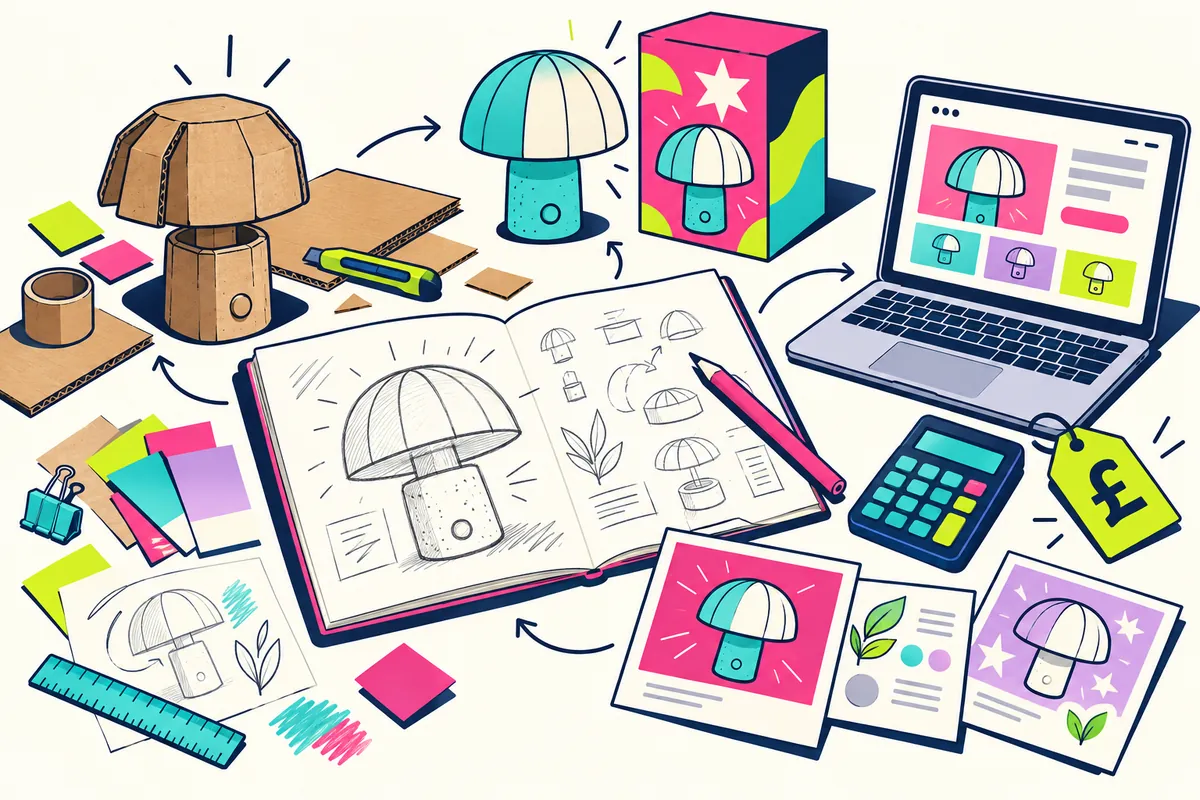
We Can Be runs three online courses in entrepreneurship for young people aged 9-18: Pioneers (9-11), Innovators (12-14) and Trailblazers (15-18). Through story reels, games and real challenges they find a problem, test an idea, work out the money, build a brand and pitch it. Teens also learn to use AI tools well and get a page online. Built with girls in mind, open to everyone.
Module 1 free · No card needed · £29 once for the whole family
3 courses
for ages 9-11, 12-14 and 15-18
32 modules
about 4-6 hours per course
250+
real female founder stories
£29 once
for every child in your home
Help them make something of their own, get more comfortable with money and practise explaining what they think. Choose the level that fits their age and confidence.
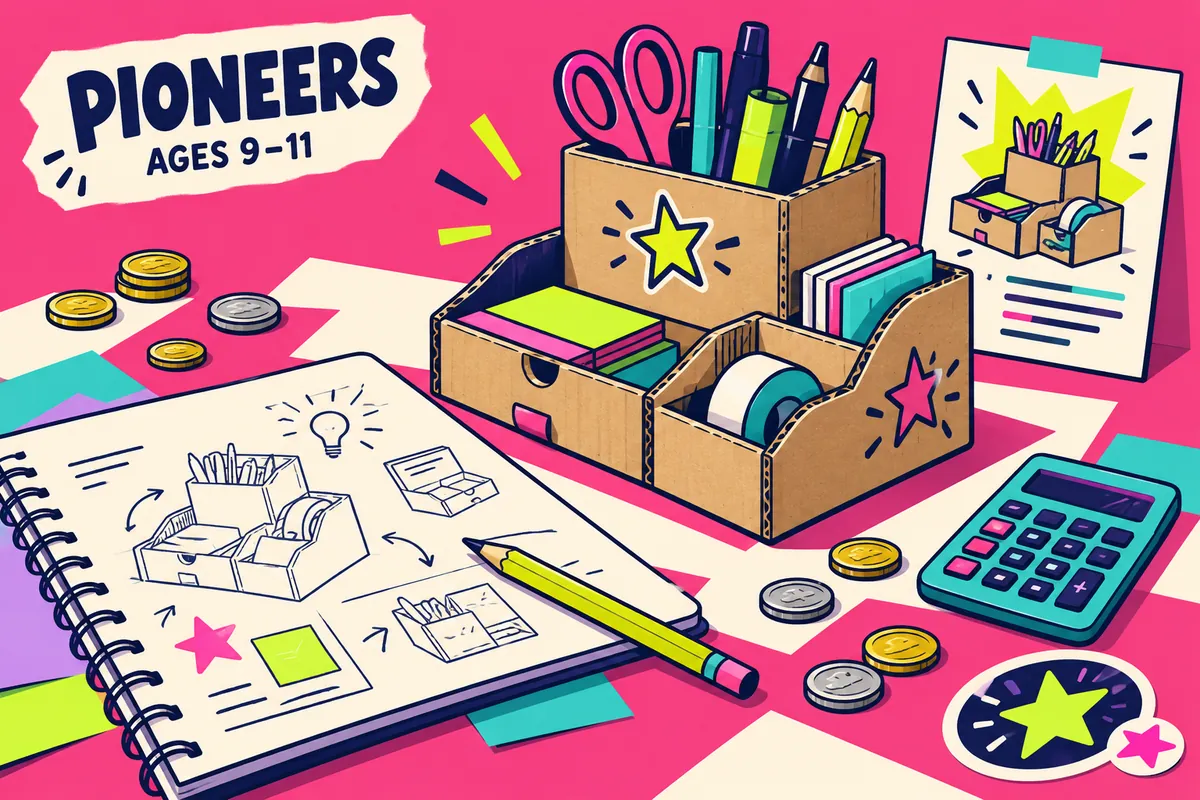
Ages 9-11
Entrepreneurship for kids aged 9-11
Big imagination. Their very own idea.
10 modules · about 4 hours · certificate
Start Pioneers free About the Pioneers course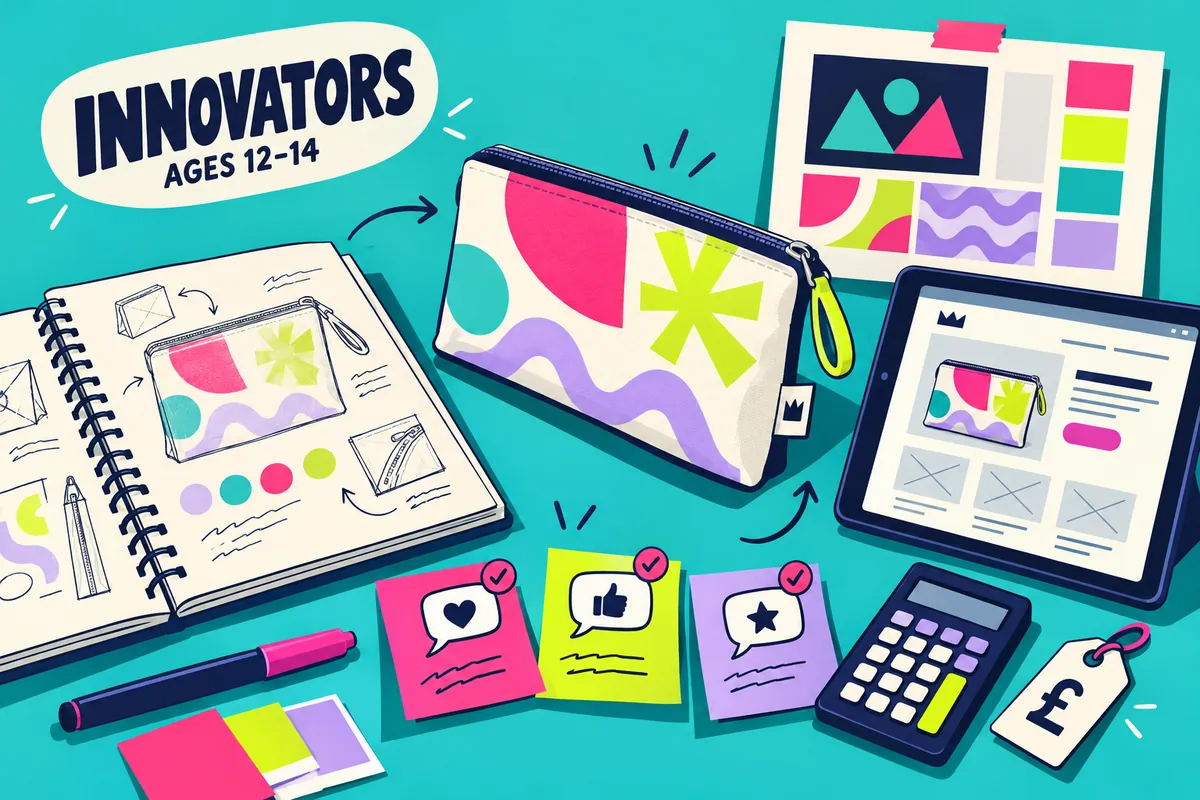
Ages 12-14
Entrepreneurship course for ages 12-14
An idea is just the beginning.
11 modules · about 5 hours · certificate
Start Innovators free About the Innovators course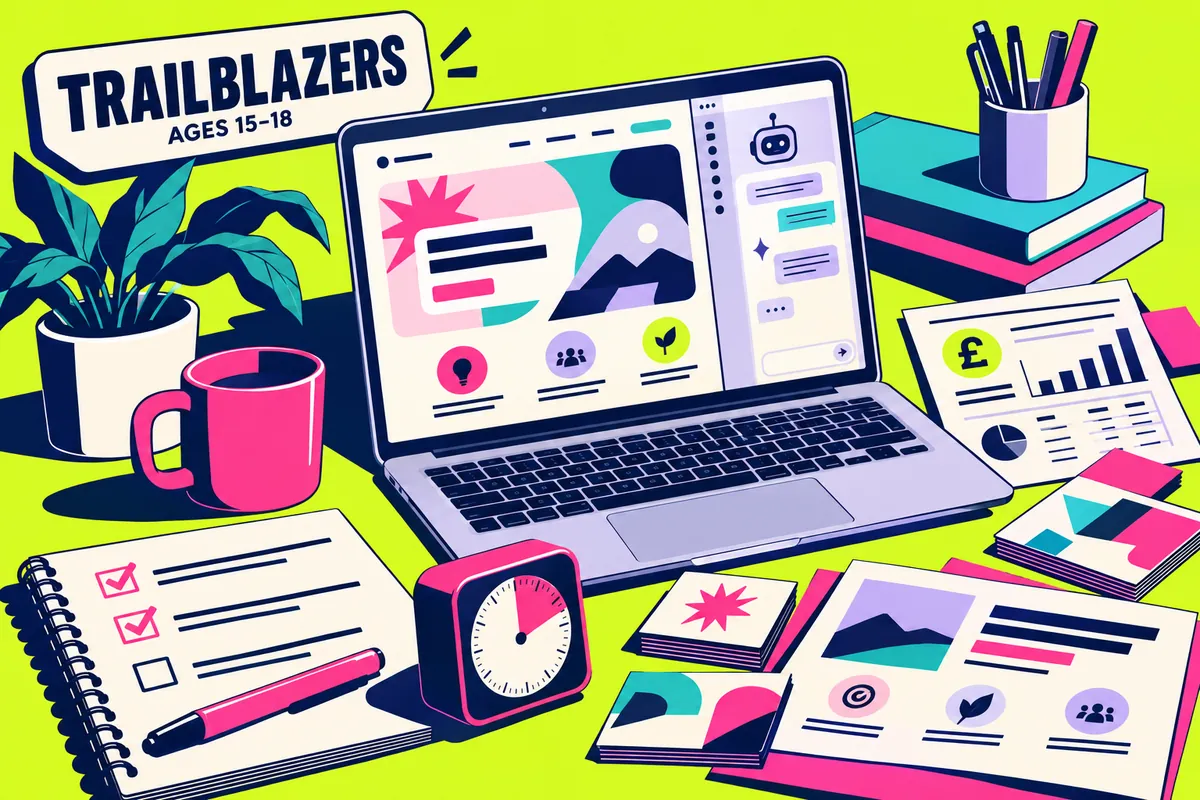
Ages 15-18
Startup and AI course for young entrepreneurs aged 15-18
Could this idea become a real business?
11 modules · about 6 hours · certificate
Start Trailblazers free About the Trailblazers courseAges 6-8? Explore together.
Try the first Pioneers module with a grown-up: meet Spark, discover how businesses help people and spot them in everyday life. A dedicated Explorers experience is coming soon.
15-18 and exploring on your own?
You don't need a business idea or a perfect plan. Explore what interests you, try things out and build something you can explain with confidence. Your first Trailblazers module is free.
From noticing a problem to sharing an idea they are proud of. They practise making choices, learn from feedback and see how the money works, one step at a time.
Choose an age group and try the first module together or independently. No card or ready-made business idea needed.
Make, play, ask questions and try things out. Each module gives them a new step towards an idea of their own.
A name and logo, a plan for their idea and a way to share it proudly, plus a certificate for completing the course.
Stuck? Blaze, our AI business coach, suggests a next step in language that fits their age. Meet Blaze
Each course is a line of modules, from a first idea to a finished pitch. Pick a course to see every module, what learners do and roughly how long it takes.
10 modules · about 4 hours
Module 1 · about 20 min
Meet Spark in a story reel and learn the key words of business. Spot the customer, product and price at a school fair stall, sort products from services, then find your spark.
Module 2 · about 20 min
Find out what every founder has in common, discover your own founder superpower, spot the give-up thoughts after a bad day at a lemonade stall and make the choices in your first week as a founder.
Module 3 · about 25 min
Join Spark on a treasure hunt for problems. Sort the ones a business could fix, spin silly twists on everyday things to make new ideas, then use the AI Idea Machine to pick ideas you could start.
Module 4 · about 25 min
Find out who your idea is for. Pick the questions that get a real answer rather than a polite one, then handle tricky customer moments and keep people smiling.
Module 5 · about 30 min
Learn what a prototype is: a simple first version you can show people. Put build, test and improve in order, design a mock-up in the Prototype Studio and decide what to do with feedback.
Module 6 · about 35 min
Learn about costs, prices and profit. Add up what one bracelet costs to make, run the Cookie Crew game to see what happens when you change the price, then decide what to do with your profit: pay back, save, share and plan the next batch.
Module 7 · about 25 min
Find out what makes a brand memorable. Try names in the Name Generator, then design a brand kit with a logo, colours and fonts that help people recognise your idea.
Module 8 · about 30 min
Learn how to spread the word. Find the mistakes on a bake sale poster, share out £20 to get people to a stall, then design a poster that tells the right people about your idea.
Module 9 · about 25 min
See how businesses get bigger. Sort the signs that say a business is ready to grow from not yet, then make growth choices in a virtual business without risking real money.
Module 10 · about 35 min
Build a one-minute pitch, a short explanation of your idea, then put your whole idea on a one-page plan and collect your Junior Founder certificate. A family vote on your pitch is an optional extra.
The finishOne-minute pitch and a certificate
11 modules · about 5 hours
Module 1 · What Makes an Entrepreneur? · about 25 min
Find out what makes an entrepreneur, spot the thoughts that give up too soon after a stall flops, and discover what kind of founder you are.
Module 2 · How Businesses Work · about 30 min
See what every business has in common, follow a product from raw materials to your hands and run your own business in a simulator.
Module 3 · Ideas and Problem Solving · about 30 min
Spot weak problem statements, remix everyday things into new ideas, catch an AI getting it wrong, then spark ideas with the AI Idea Machine.
Module 4 · Customers and Research · about 20 min
Practise interviewing a customer without leading them, then map the market to find the gap your idea could fill.
Module 5 · Test Before You Build · about 20 min
Sort smart, cheap tests from expensive guesses, then make the calls in a story where people's reactions decide whether you keep, change or drop the idea.
Module 6 · Prototype Studio · about 25 min
Put the build, test, learn steps in order and make a first version of your idea in the Prototype Studio.
Module 7 · Money: Price and Profit · about 30 min
Guess the price, slide to find the best profit and spot the mistakes in a stall's price plan.
Module 8 · Brand Identity Builder · about 30 min
Sort what makes a brand, generate a name and build a brand kit with colours and a logo.
Module 9 · Marketing and Your Website · about 35 min
Spot a misleading ad, share out a £40 marketing budget and plan a one-page website, ready to build with a grown-up.
Module 10 · Your Business on One Page · about 25 min
Put your whole business on one page with a Business Model Canvas, and spot the green claims that don't add up.
Module 11 · Pitch Perfect · about 30 min
Spot what makes a pitch fall flat, write a 60-second pitch and earn your Young Innovator certificate.
The finish60-second pitch and a certificate
11 modules · about 6 hours
Module 1 · Founder Mode · about 25 min
Choose Learn mode, following a worked example brand, or Launch mode for your own venture. Bust the founder myths, find your strengths and spot ideas in what you love and what bugs you.
Module 2 · Find a Problem Worth Solving · about 25 min
Interview a customer without leading them, map what already exists and score your ideas on pain, frequency, willingness to pay and reach.
Module 3 · Test It in 48 Hours · about 30 min
Choose the right low-cost test, such as a pre-order form or sample sale, spot numbers that only look like proof, then plan a 48-hour test.
Module 4 · The AI Co-founder · about 35 min
Use AI to build, not just to ask questions. Pick the right tool for each job, build a mini app with an AI app builder, fix bugs by describing them clearly, catch an AI's mistakes and make an AI playbook for your idea.
Module 5 · Build It Online · about 35 min
Cut an idea to a first version, choose no-code tools such as Lovable, Canva or Carrd, and use AI prompts to build a landing page that collects sign-ups, with a launch checklist.
Module 6 · The Money · about 30 min
Work out what each sale really costs, find a price that earns, and steer a brand through six weeks of cash flow, when money comes in and goes out.
Module 7 · Stand Out · about 30 min
Spot what makes brands forgettable, write a positioning line that says who it's for and why it's different, and build a brand kit to match.
Module 8 · Your First 100 Customers · about 30 min
Share out a small budget, follow the path from seeing a post to buying, spot dodgy ads and design a week-long growth experiment.
Module 9 · Make It Legit · about 35 min
Sort out tax, registration and data basics, with routes for under-18s, spot common scams and compare funding options. Review a checklist with a parent or carer.
Module 10 · Do Good, Do It Right · about 30 min
Spot greenwashing, make tough ethical calls and choose one impact you can measure and prove.
Module 11 · Pitch and Launch · about 40 min
Build a pitch deck, face an AI investor's questions and download a Founder Portfolio with lines ready for UCAS, a CV or LinkedIn.
The finishLive page and pitch and a certificate
Learn at their own pace. Allow extra time for making, research and real-world tasks. Some teen challenges run over several days.
Practical business, money and confidence skills for kids, teens and young adults, online and at their own pace.
Ages 9-11. Pioneers turns business into stories and games: spot a problem, make a prototype, price a first batch and pitch it. No business idea needed to start.
Ages 12-14, Innovators: customers, prototypes, profit, a brand and a 60-second pitch. Ages 15-18, Trailblazers: a startup course with AI tools, a landing page and a Founder Portfolio.
Built with girls in mind and open to everyone. Every course features real female founders who started where they are: with an idea and a problem worth solving.
Entrepreneurship for girls
So the courses bring business to life through real female founders: how they started, what went wrong and what they did next.
Then there's the wider library: 250+ founder stories across fashion, food, tech, sustainability and more.
Created with girls in mind. Open to everyone.
Explore 250+ founder stories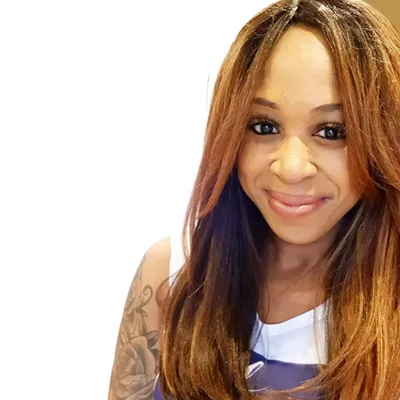 Pamela AculeyMIXD Reality
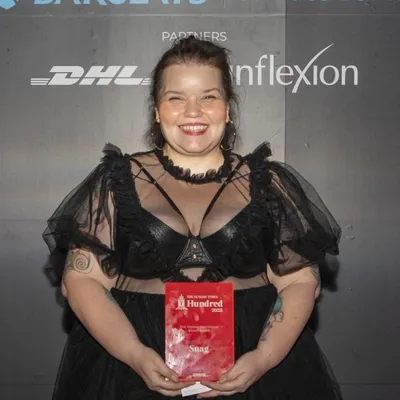 Brie ReadSnag Tights
 Pip MurrayPip & Nut
 Chrissie RuckerThe White Company
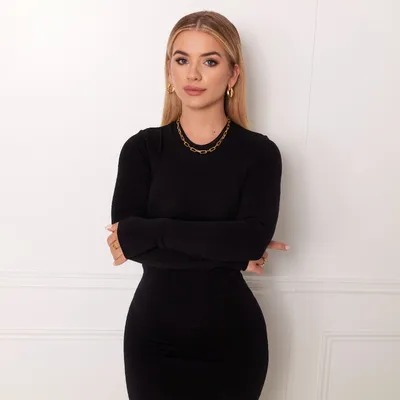 Grace BeverleyTALA, Shreddy & The Productivity Method
 Amelia Christie-MillerBold Beans
Try the first module of any course. Unlock the rest only if they want more.
£0
No card needed.
Choose a free module£29 once
One payment. No subscription.
Get lifetime access for £29Teaching a class or running a club? The Educator plan (£49 once) is available now, with lesson plans, slides and worksheets for teachers, tutors and youth workers. Explore the educator plan
All three follow the same road, from spotting a problem to pitching an idea, with language, games and challenges that grow up with the learner, from first-time explorers to young entrepreneurs ready to launch.
| Course | Ages | School stage | Modules | Time | What they make | Certificate |
|---|---|---|---|---|---|---|
| Pioneers | 9-11 | KS2, Years 5-6 | 10 | About 4 hours |
| Junior Founder |
| Innovators | 12-14 | KS3, Years 7-9 | 11 | About 5 hours |
| Young Innovator |
| Trailblazers | 15-18 | KS4 and sixth form | 11 | About 6 hours |
| Future Founder |
Ages 6-8 can try the first Pioneers module with a grown-up. Certificates recognise course completion; they are not accredited qualifications.
An entrepreneurship course teaches young people how businesses start: spotting a problem, testing an idea with real people, working out costs and prices, building a brand and pitching. We Can Be's courses do this online through story reels about real founders, games and practical challenges, at a level matched to each age.
Children can start from about age 9 with Pioneers, and 6-8-year-olds can try the first module with a grown-up. Innovators suits ages 12-14 and Trailblazers suits young people aged 15-18, so the same skills grow with them.
Yes. We Can Be is built with girls in mind: every course features real female founders, so girls see people like them starting businesses. The courses are open to everyone, whatever their gender.
They work well alongside them. Families can use We Can Be at home, at their own pace, from age 9, to build confidence before an enterprise day, a school business competition or a young entrepreneur programme, or to keep going afterwards. An educator plan for schools and clubs is also available.
No. The courses include activities to help young people explore their interests, notice problems and develop ideas. They can also bring an idea they already want to explore.
No. They can use the activities to explore an idea and practise the skills involved. Some tasks ask them to speak to people or test something in the real world, but completing a course does not mean they have to launch or start selling.
Start with Pioneers for ages 9-11, Innovators for ages 12-14 or Trailblazers for ages 15-18. The free first module lets you check the language and level before committing. Confidence, interests and support needs matter alongside age.
Allow around 4 hours of learning for Pioneers, 5 hours for Innovators and 6 hours for Trailblazers, plus time for practical work. These are guides rather than deadlines. Some Trailblazers tasks run over 48 hours or a week so learners can collect results.
Pioneers is designed so many 9-11-year-olds can work independently, while 6-8-year-olds should have a grown-up alongside. Older learners may need help arranging research, trying real-world activities or reviewing legal and funding topics. You do not need business experience to listen to a pitch or offer feedback.
Pioneers introduces business basics with Spark. Innovators explores entrepreneurial mindset and responding to setbacks. Trailblazers lets learners choose to learn from a worked example or launch their own idea, then find their founder strengths.
No. The courses mix story reels and explanations with games, creative tools, questions and practical tasks. Activities include making prototypes, comparing prices, asking for feedback and preparing pitches. The exact mix varies by age and module.
Each completed course offers a personalised completion certificate: Junior Founder for Pioneers, Young Innovator for Innovators and Future Founder for Trailblazers. These recognise course completion; they are not accredited qualifications.
Yes, at a level that fits each age. Pioneers and Innovators use a safe AI Idea Machine to spark ideas, and Innovators practise catching an AI getting things wrong. Trailblazers has a full module, The AI Co-founder, on building with AI: choosing the right tool, making a mini app with an AI app builder, fixing it, and checking everything AI produces, alongside good prompting for assistants like ChatGPT, Claude and Gemini.
In Trailblazers, teens plan a landing page and build it with no-code or AI builders such as Lovable, Canva or Carrd, either for a worked example brand or their own idea. Innovators plan a one-page website, ready to build with a grown-up.
Trailblazers ends with a Founder Portfolio: a PDF of their work with lines ready to adapt for a UCAS personal statement, a CV or LinkedIn. It shows real skills such as research, pricing and pitching. It is not an accredited qualification.
Yes. The courses run online at the learner's own pace, so families use them alongside home education, school or during the holidays. Progress saves automatically, and each child can have their own profile.
Yes. Standard includes family sharing and child profiles, so children can have their own progress, badges and dashboard.
More questions? See the full FAQ
Pick their age. The first module is free, and no card is needed.
Aged 6–8? Try the first Pioneers module together · No business idea needed.
Guides on enterprise education, money skills and business ideas
How to help girls become entrepreneurs from age 6 to 18: why it matters, what to try at each age, female founder role models and UK programmes.
8 min read
Young Enterprise, the Tycoon Enterprise Competition, The King's Trust and how to start on your own: a UK guide to entrepreneurship for young people.
8 min read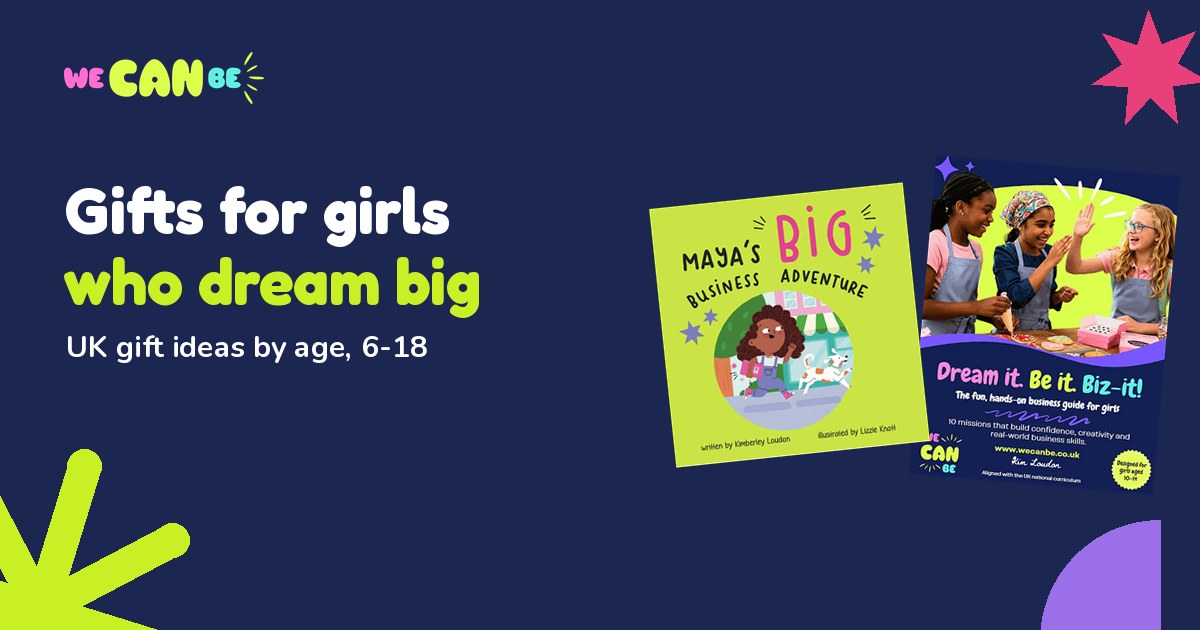
Gift ideas for girls aged 6-18 who are full of ideas: books, things to make and sell, and small budgets to test an idea, grouped by age.
6 min read