Girl Entrepreneurs: How to Help Girls Start a Business (UK Guide, 2026)
How to help girls become entrepreneurs from age 6 to 18: why it matters, what to try at each age, female founder role models and UK programmes.
Read the guideFor parents and carers
Guides written for UK parents and carers who want their child to feel capable with money, ideas and work - without turning it into homework. You'll find business ideas sorted by age, from a first lemonade stall at six to a proper side hustle at sixteen, alongside straight answers on pocket money, the legal rules for teenage jobs, and how to talk about AI sensibly at home. We also cover the harder bits: what to do when a teenager has no motivation, why girls drop confidence around eleven, and how to back an idea without quietly taking it over. Everything is written for UK families, with UK prices, UK law and UK school years. Start with whichever question is on your mind tonight, then use the free tools to turn it into something your child can actually try this weekend.
37 articles

Young Enterprise, the Tycoon Enterprise Competition, The King's Trust and how to start on your own: a UK guide to entrepreneurship for young people.

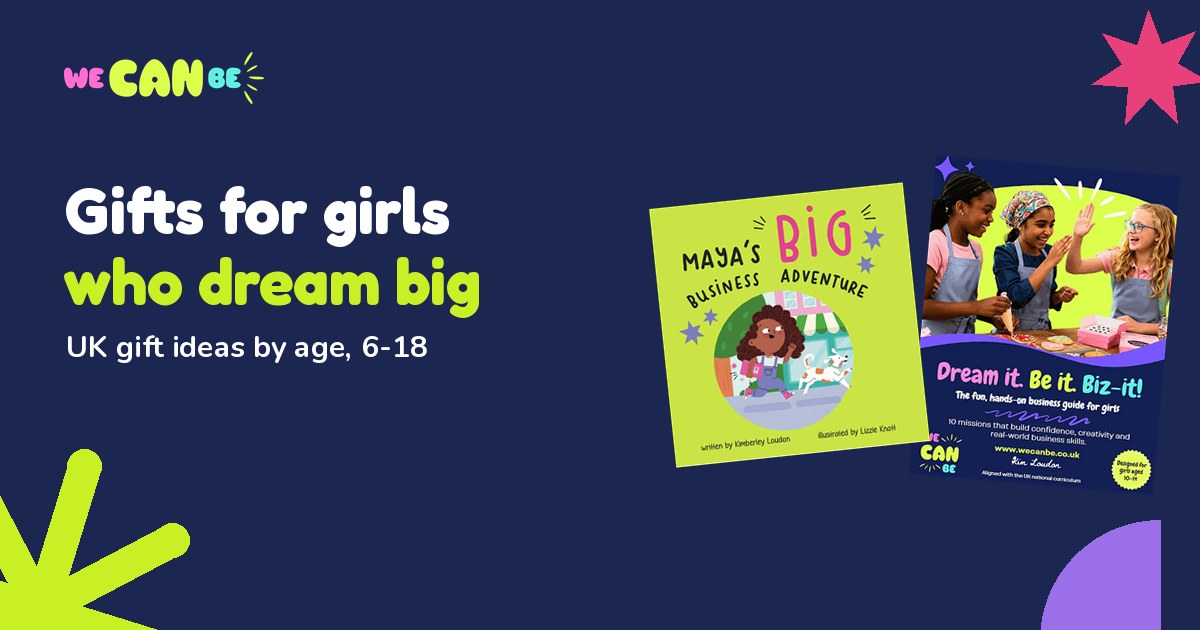
Gift ideas for girls aged 6-18 who are full of ideas: books, things to make and sell, and small budgets to test an idea, grouped by age.

Fifteen good books for girls aged 6-8: picture books about real women, girls who make things, first chapter books and books about ideas and money.

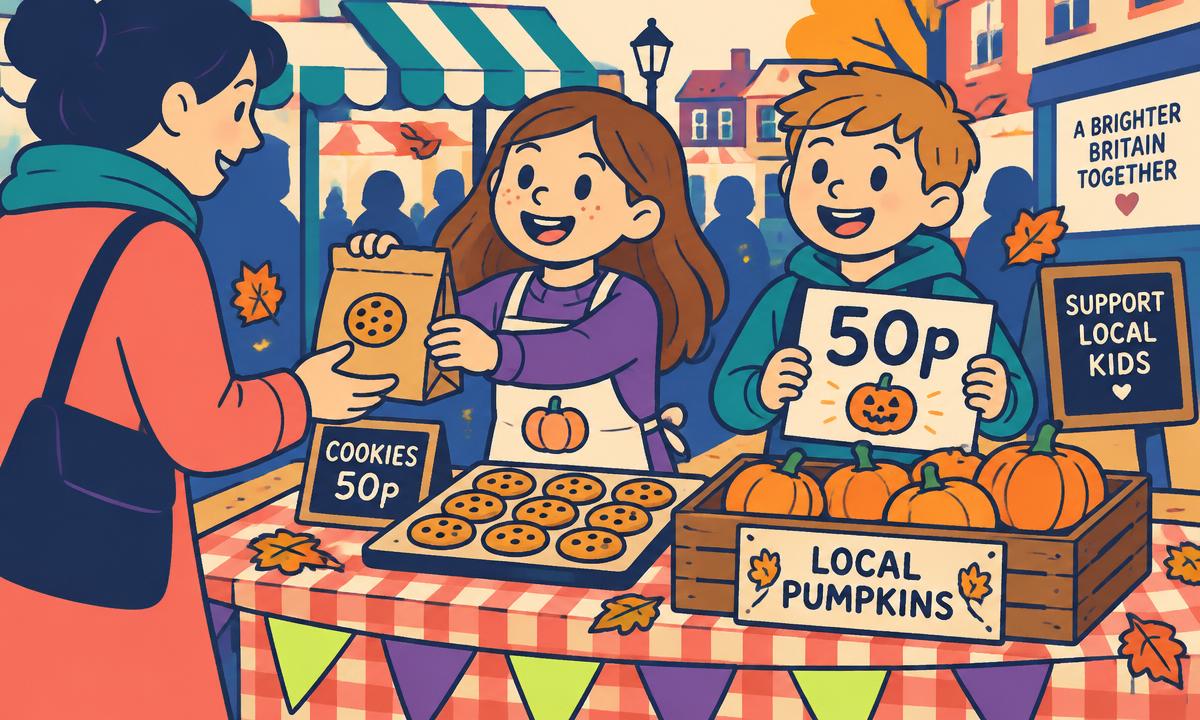
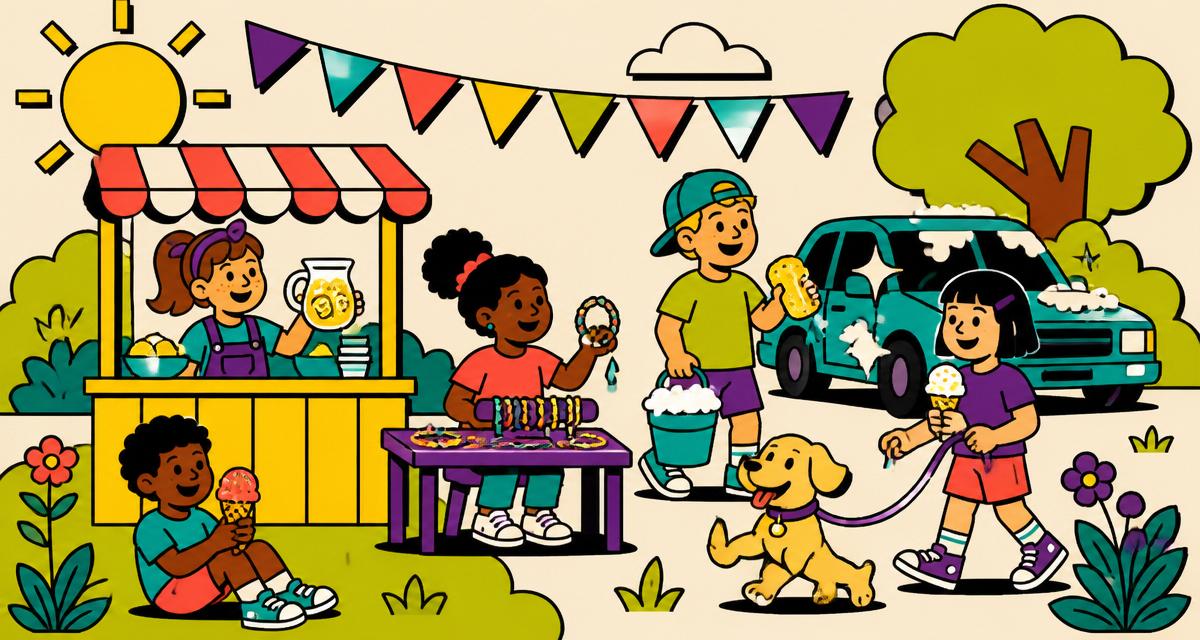
Five half-term businesses kids can run - bake sale, pumpkin stall, car wash, hot chocolate stand, bedroom clear-out - plus a five-day plan.

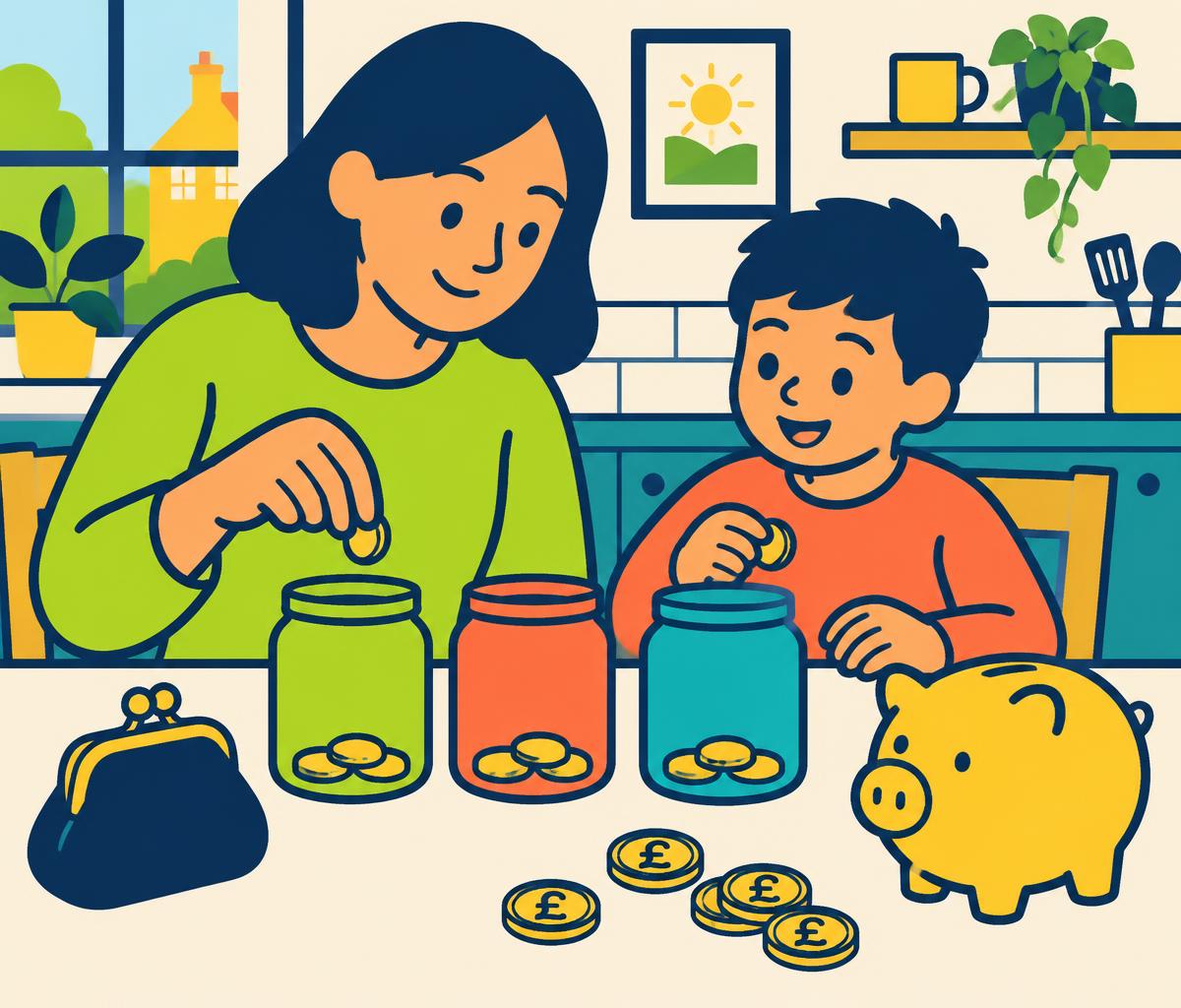
How much pocket money to give in the UK: averages by age from the latest data, weekly or monthly, cash or app, and how to make it teach something.
Placement ideas by sector, what 14, 15 and 16 year olds are allowed to do, how to ask so you get a yes, and what to do if you cannot find a placement at all.
No work experience placement in Year 10 or 11? What still counts, how to find late options and a six-day plan to run your own enterprise week.
Five free work experience letter and email templates for Year 10 and 11: the main ask, a half-day ask, the follow-up, a parent version and a thank-you.
When your teenager seems to care about nothing: why motivation stalls between 13 and 17, what restarts it and seven low-pressure things to try.
How UK home educators use enterprise as a cross-curricular strand: the legal position, a six-day project plan, subject links and SEN-friendly ideas.
The life skills UK children rarely learn at school - money, speaking up, pricing, applications and rejection - and what to work on at each age.

Fifteen good books for girls aged 9-12, grouped by what you want the book to do: build confidence, get her reading, or teach money and business sense.

Thirteen good books for teenage girls: fiction they will finish, confidence and mindset, and money and business - with age and content notes.

How to write a UCAS personal statement that works: structure, opening lines, examples by subject, common mistakes and a checklist for sixth-formers.

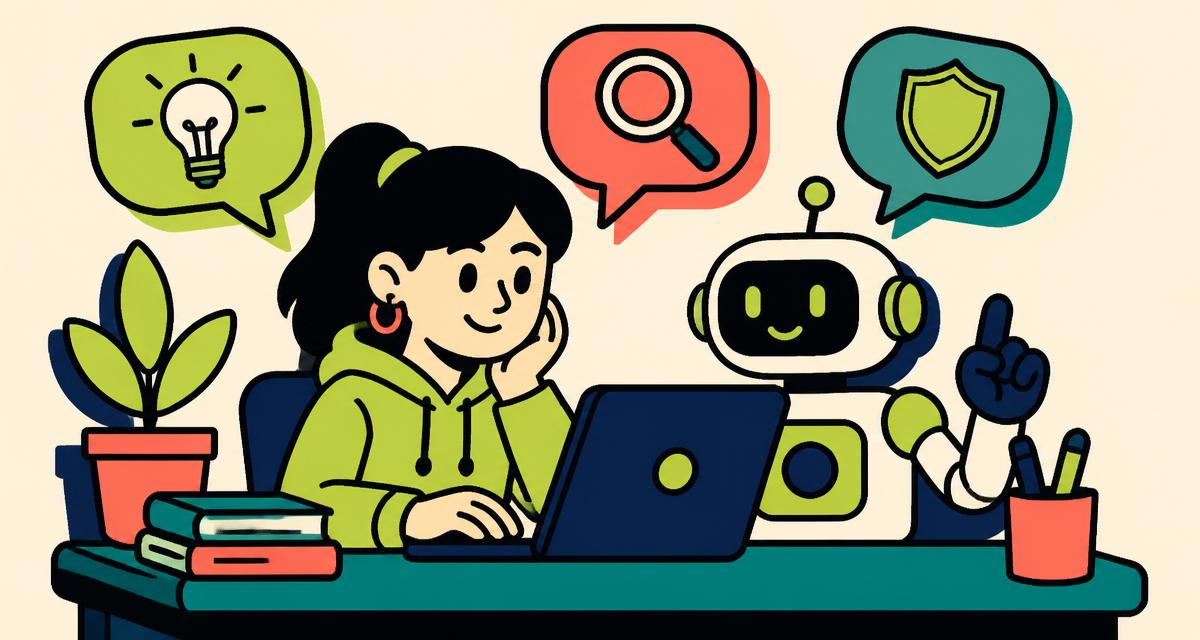
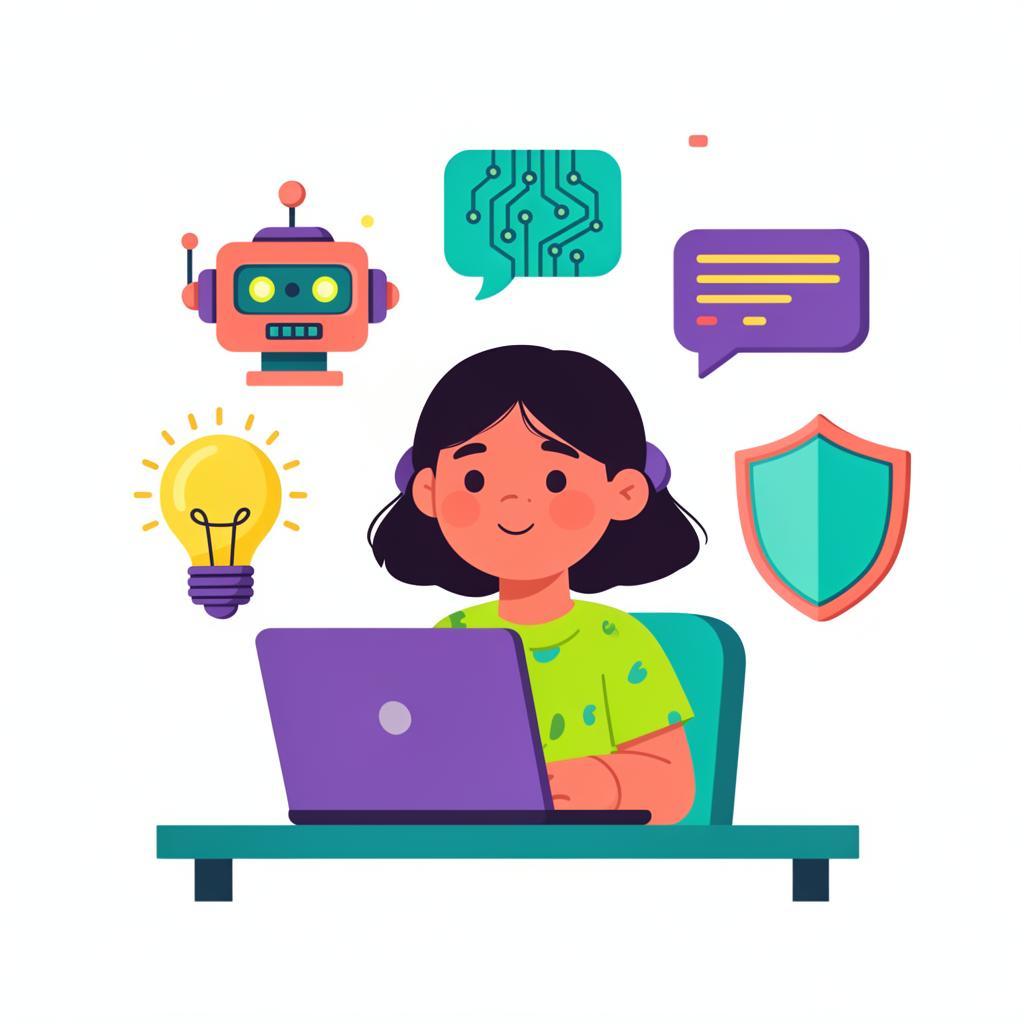
A teen guide to using AI in your own business: which tools to use, how to write prompts, how to fact-check, staying safe and 20 things to try.

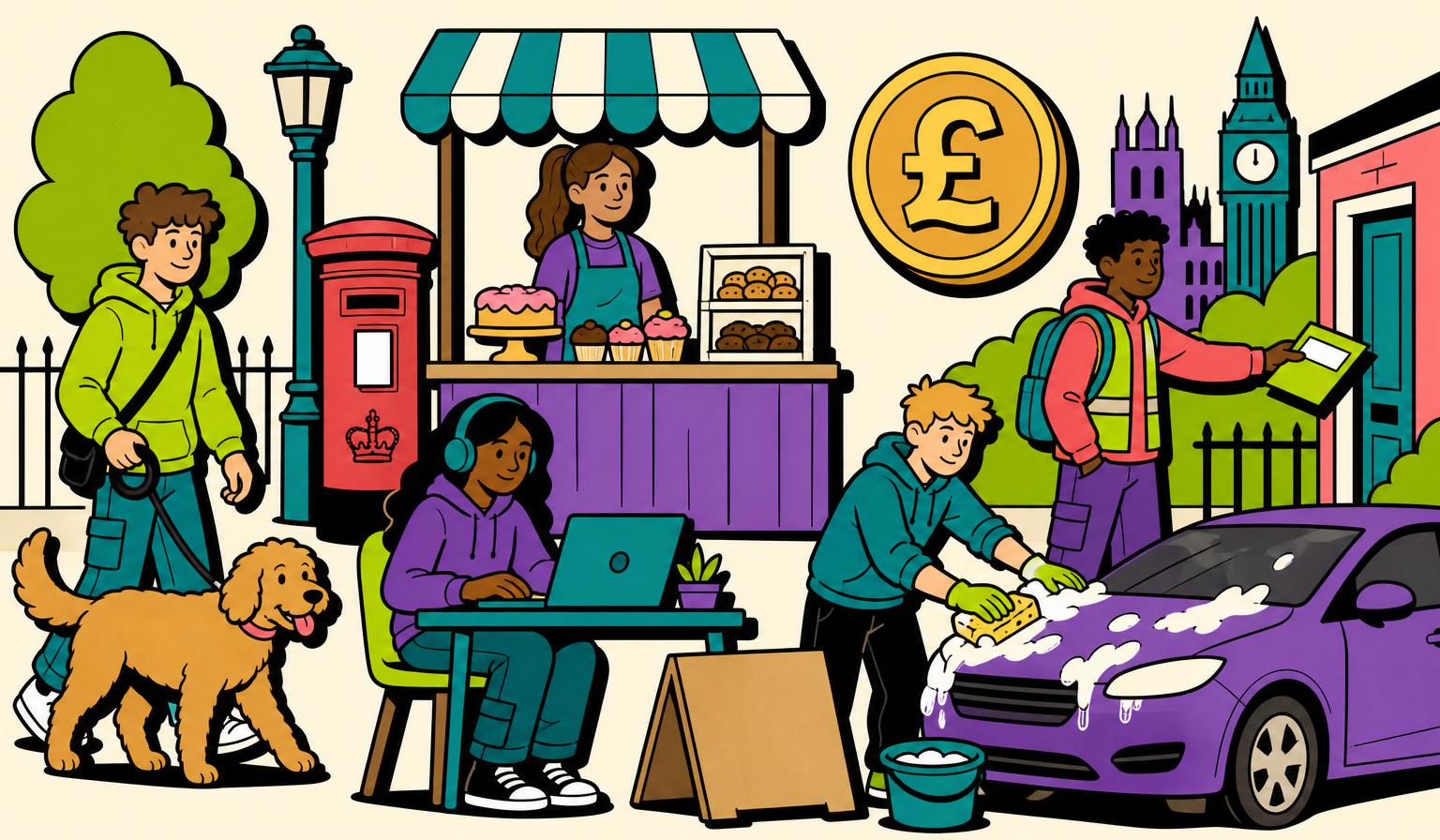
24 realistic business ideas for UK teenagers - digital, local services, maker products and reselling - with honest start-up costs, what to charge, and the tax and age rules for under-18s.

Summer holiday business ideas for kids and teens aged 6-18 in the UK: what's legal, what sells in July and August, and how to start with £0 to £5.

The complete UK guide to teenage jobs - what 13, 14, 15 and 16 year olds can legally do, hours, pay, permits, where to apply, and how to earn on your own if you can't get hired.

Over 1 million UK 16-24 year olds are NEET. What the Milburn 'Young People and Work' report says, and practical steps for parents, teachers and teens.

A complete UK guide to making money as a teenager - 27 real, legal ways to earn from age 13 to 18. Covers work permits, tax-free allowance, summer jobs, online side hustles and how to turn earning into a small business.

An age-by-age UK guide to teaching kids about money: pocket money, saving, budgeting, investing and earning their own income.

The best business and entrepreneurship books for kids and teens aged 6-18, from storybooks and workbooks to practical guides.

20 UK female founders to follow in 2026: their stories, sectors and superpowers, from the We Can Be role model library. Inspiration for young founders.

What is enterprise education? A UK guide to what it teaches - creativity, problem-solving, money and confidence - why it matters and how to start.

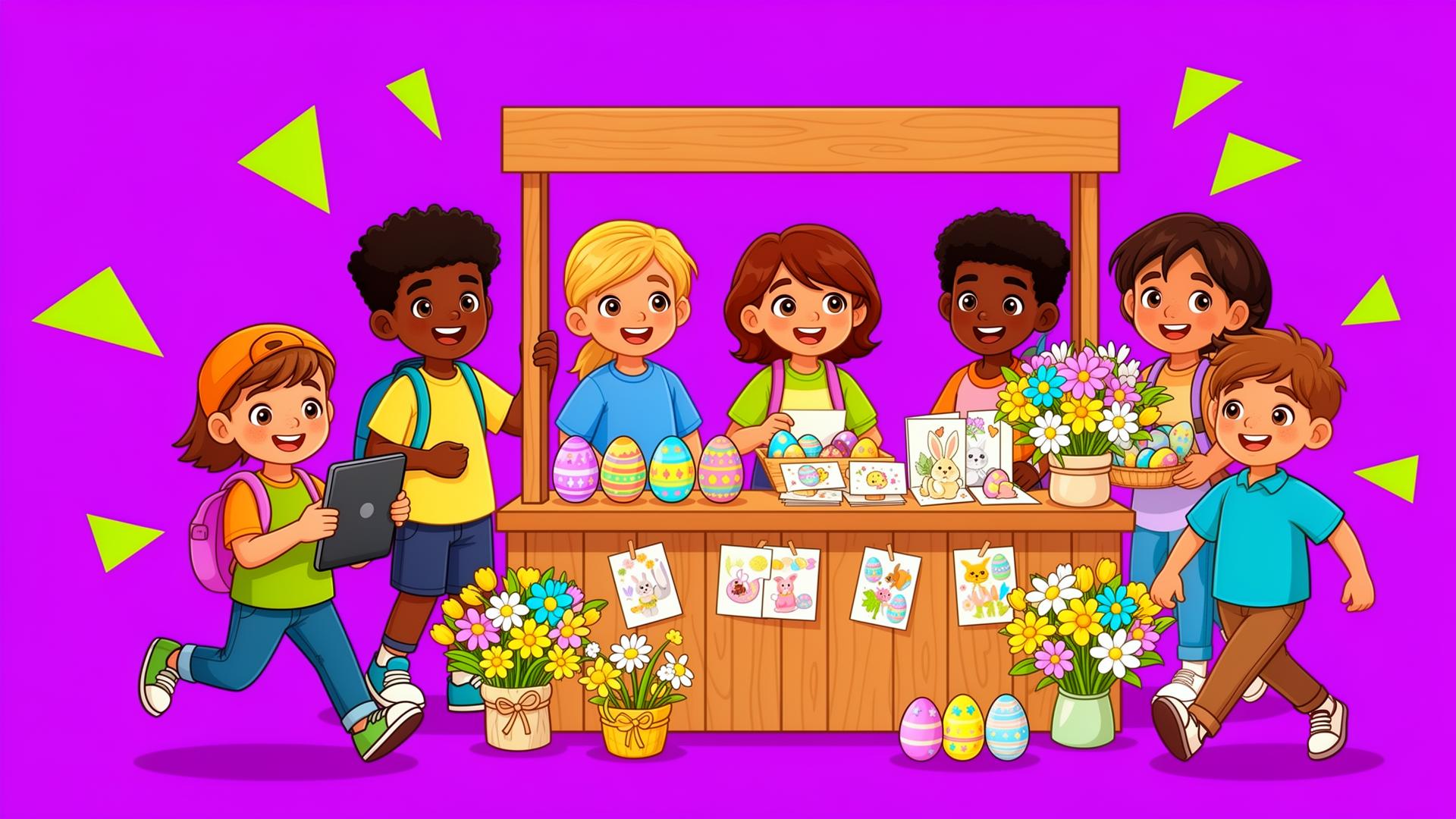
Easter business ideas and activities for ages 6-18, by age group - from egg decorating stalls to seasonal social media campaigns.

Everything young people need to explore entrepreneurship – courses, AI tools, 250+ role models, and more. All free. All in one place.

Looking for ways to spark your child's creativity and confidence? Our ultimate guide is packed with 101 fun, practical business ideas for ages 6–16 - from weekend crafts to digital ventures.

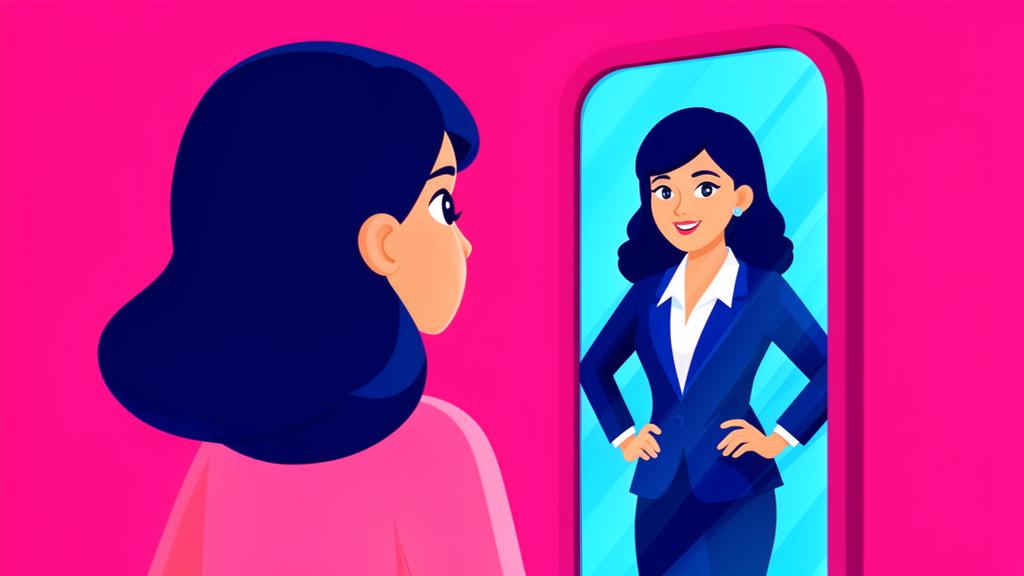
Research shows 81% of young people can't name a single female entrepreneur. That's not a knowledge gap - it's a representation gap. Here's how we fix it.

Creativity, confidence and critical thinking will matter most by 2035. How entrepreneurship builds the skills school often leaves out.

Why entrepreneurship works so well in homeschooling: project-based, cross-curricular life skills, with activities and curriculum links for ages 6-16.

20 Christmas business ideas kids can run from home or at a school fair, with costs, prices, a four-week plan and the safety rules.

Five playful, pressure-free ways to start money conversations with your daughter - from pocket money experiments to real-world budgeting games.

Girlguiding research shows girls' confidence drops sharply between 11 and 14. Why it happens - visibility, language and systems - and what helps.

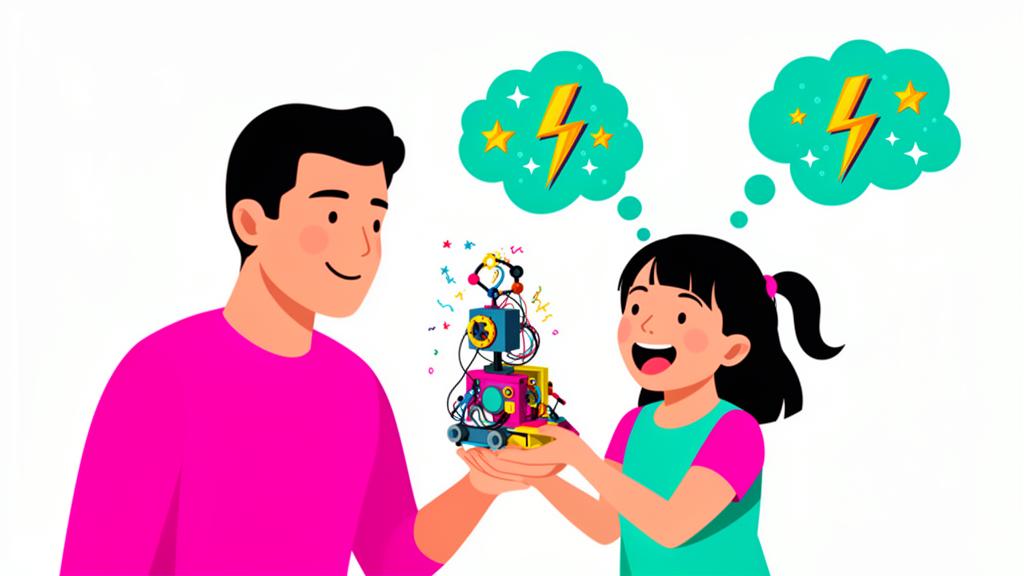
How to nurture entrepreneurial thinking without taking over the creative process. The best thing a parent can do is ask better questions.

You can't be what you can't see. Why representation in entrepreneurship matters - and how we're fixing it with 250+ real founder stories.

Two-thirds of UK children aged 9-17 use AI chatbots. A parent's guide to the real risks, the benefits and practical steps for using AI safely together.
Next step
Search the directory by sector and see the problem each founder spotted first.
Free for parents
Get the printable guide, plus a free email from Kim every other week with one confidence-building activity to try.
I am a...
There is no minimum age to make and sell things with a parent's help. Paid employment is what's regulated - from 13 with local council rules on hours and permits.
Pick one idea, price it, and sell to five real people. Our 101 business ideas guide and the AI Idea Machine both work well as a first step.